When the Flowers Don’t Bloom: A Difficult Year for Virginia’s Honeybees
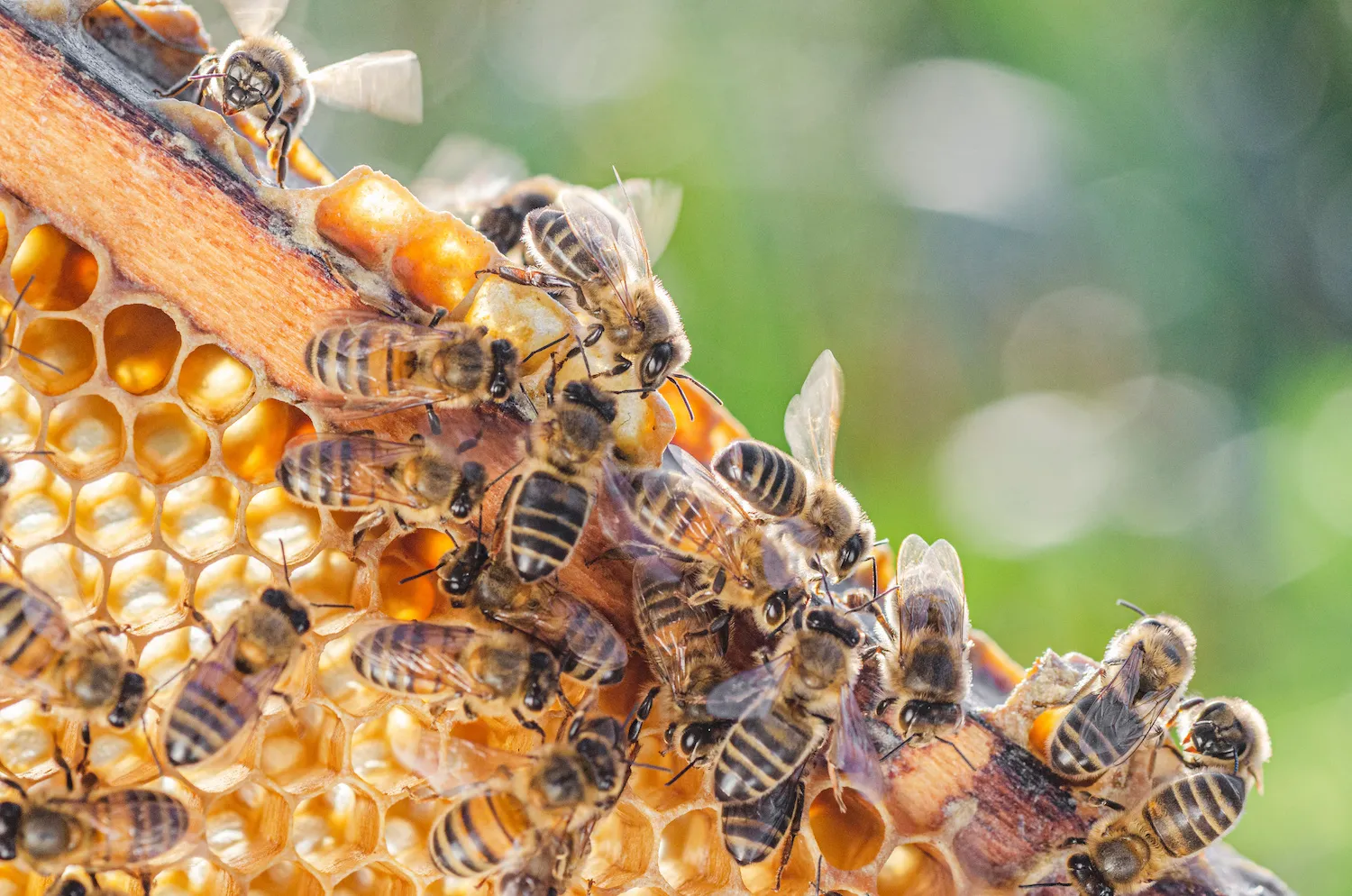
For Virginia’s beekeepers, honey production depends on more than healthy hives. It depends on the flowers, trees, and plants that provide the nectar and pollen bees need to thrive. This year, a late freeze followed by drought created a challenging growing season, leaving many colonies struggling to find enough food.
How Weather Affected Virginia Honey Production in 2026
At Edgewood Apiaries & Farm, located in Virginia’s Piedmont region, the impact has been significant. The farm estimates its honey production will be down approximately 60% compared to 2025, with losses affecting every one of its hive locations.
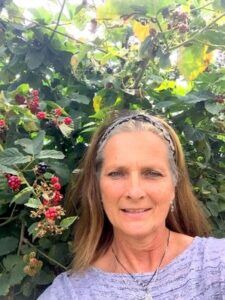
“The spring flow came late, and in some places it barely happened at all. Fall hasn’t been much better. Pollen and nectar both seem low, so the bees have had very little to bring in,” explains Amanda Sweeney, Owner & Keeper of the Bees at Edgewood Apiaries & Farm.
Helping Honeybee Colonies Survive a Difficult Season
With limited natural food sources, the farm has shifted some of its production colonies into what it calls survival mode. Rather than harvesting honey, the priority has become keeping the bees alive through supplemental feeding with sugar syrup and pollen substitutes, while carefully monitoring mite populations and overall colony health.
The consequences extend well beyond this year’s harvest. These colonies must first survive the winter before they can return to honey production, and any losses could further reduce the number of productive hives next season.
To help maintain a supply of local honey for customers, Edgewood is also expanding its relationships with other Virginia beekeepers, purchasing honey from producers across the state.
Why Supporting Local Beekeepers Matters
For consumers, this season offers an important reminder of how closely local food production is tied to the environment, and why availability and pricing can change from year to year.
“Honey depends entirely on what’s blooming, and the weather decides that. One late freeze and a dry summer can cut a harvest by more than half. When local honey is harder to find or costs a little more, that’s why,” says Sweeney.
Despite the challenges, supporting local beekeepers remains one of the simplest ways consumers can make a difference.
As Sweeney reminds us, “Buying from a beekeeper you can name helps keep those hives going into the next season.”
Learn more about Edgewood Apiaries & Farm at www.edgewoodapiariesandfarm.com.