When the Pastures Run Dry: Raising Cattle Through a Historic Drought
For cattle producers in Virginia’s Shenandoah Valley, the 2026 growing season brought extraordinary challenges. Shenandoah County experienced a precipitation deficit of approximately 10 inches from winter 2025 through summer 2026, contributing to one of the region’s most significant historical dry spells. The county was designated a primary agricultural disaster area by the USDA, while Virginia Cooperative Extension estimated hay production losses of up to 70% in the Valley.
How the 2026 Drought Affected Virginia Cattle Farms
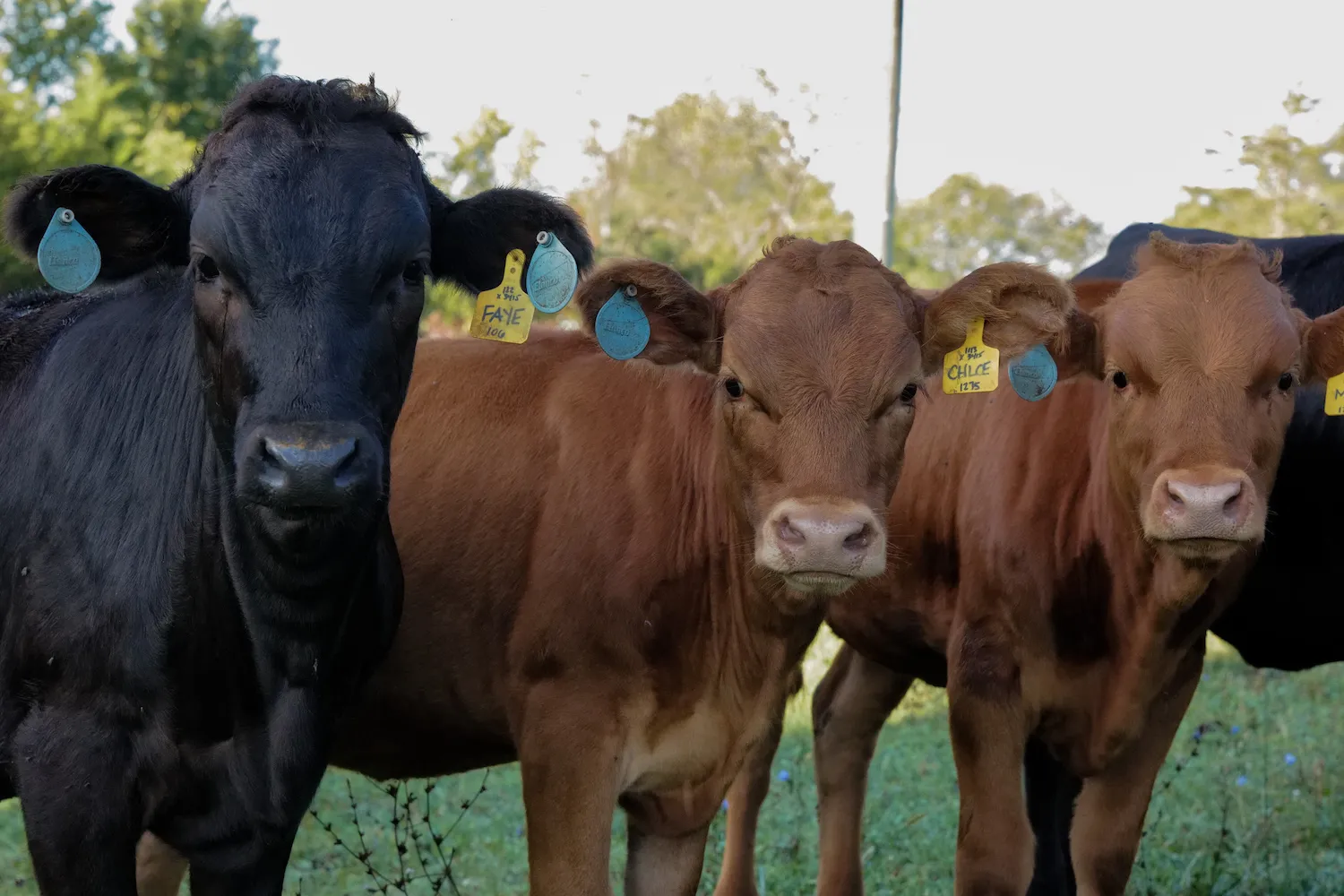
At Villacaro Farms, a regenerative cattle ranch in Toms Brook, Virginia, the greatest challenge was maintaining adequate pasture growth to support its herd of pasture-raised Akaushi cattle.
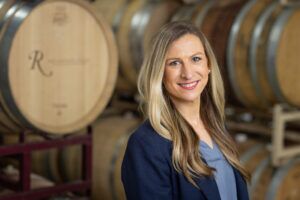
“Typically, we practice intensive rotational grazing throughout the spring and summer, but this year we simply didn’t have the pasture growth to support it,” explains Kathryn Zajac, owner of Villacaro Farms.
Adapting Grazing Practices at Villacaro Farms
The farm adapted by grazing approximately 15 acres of winter rye early in the spring, allowing its other pastures additional time to recover. As the season progressed, the cattle were moved through larger paddocks rather than smaller, intensively managed grazing areas, with careful attention to pasture recovery.
Another advantage was the farm’s relatively low stocking rate, meaning fewer cattle per acre of available pasture. This reduced grazing pressure and helped Villacaro avoid feeding hay early, something many other cattle producers were forced to do.
Rising Hay Costs and the Challenges Ahead
However, the financial impact of the drought is far from over. Villacaro relies on local hay producers for its winter forage, and the cost per bale has nearly doubled. Even if winter precipitation helps replenish the region’s moisture levels, cold and wet conditions could increase the amount of hay needed to maintain the herd.
Why Supporting Local Cattle Farmers Matters
For Zajac, this year’s drought also highlights something important for consumers to understand about buying locally raised beef.
While grocery store beef prices are influenced by national supply chains, large-scale production, and broader market conditions, local cattle producers face the immediate financial impact of what’s happening in their own communities. A drought that reduces pasture growth or drives up local hay prices can significantly increase the cost of raising cattle, even when the farm’s management practices help minimize the impact.
For pasture-based producers like Villacaro Farms, those costs are particularly tied to the land and the growing season. Unlike conventional feedlot finishing systems, where cattle receive a more controlled feed ration, pasture-based operations must continually adapt to changing forage availability and weather conditions.
When consumers choose to buy directly from a local farmer, they’re purchasing more than a product. They’re supporting a working farm that faces the same unpredictable weather, rising costs, and agricultural challenges affecting their own region.
Understanding those challenges helps put the price of locally raised food into perspective and reinforces the value of supporting the farmers who produce it.
Learn more about Villacaro Farms and its pasture-raised Akaushi beef at www.villacarofarms.com.